Sign in to edit
Anyone can edit Bet — you just need an account so your work can be credited and an editor knows who to ask if there's a question. It takes one click with Discord.
Editing Bet
Changes go to an editor for review before they appear. Nothing here is published directly.
Loading the current page…
In a sentence
- ““The room is booked.” “Bet, I’ll bring snacks.””
- ““Nobody can organize this drawer.” “Bet.””
What “bet” does in a conversation
Bet is a response, so the message before it matters. After an invitation it accepts; after a claim that you cannot do something it can promise to prove the speaker wrong. It does not normally mean that money is changing hands. Merriam-Webster also records sarcastic uses, where apparent agreement actually signals disbelief.
Compare these original exchanges:
- “I’ll bring the board game.” / “Bet, I’ll clear the table.” This confirms an arrangement.
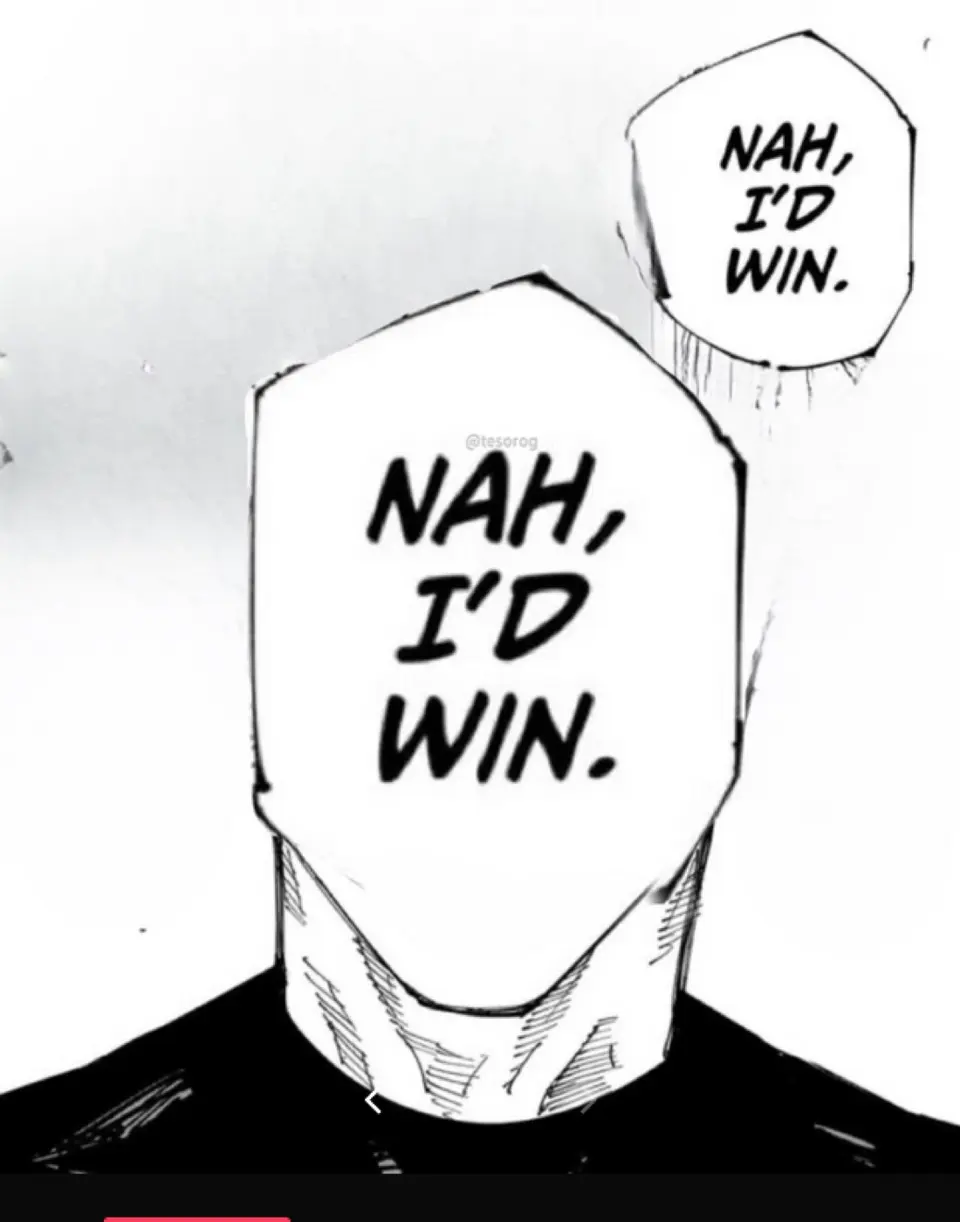
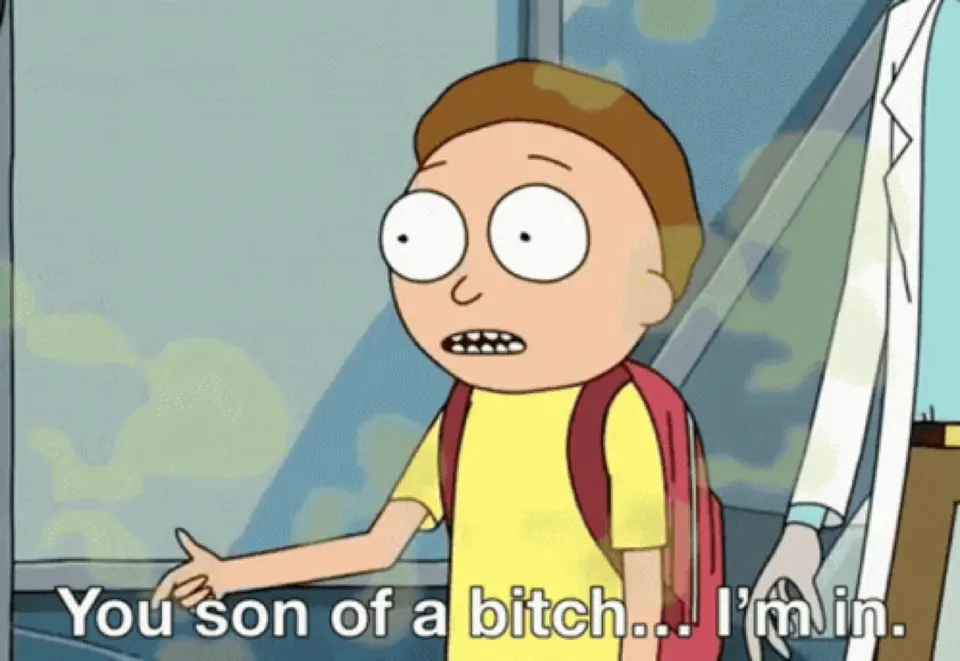
- “You can’t finish that puzzle before dinner.” / “Bet.” This accepts a challenge.
- “The printer will definitely work this time.” / “Oh, bet.” With an eye roll, this can express doubt. In plain text, that tone may be missed.
History before social media
Merriam-Webster traces this use to Black American English in the 1980s and connects it, tentatively, to older expressions such as “you bet.” Its recent visibility on social platforms is not its date of invention. The reference does not establish a single creator, and this entry does not assign one.
Bet, no cap, and say less
A useful distinction is agreement versus truthfulness. “Bet” answers a proposal; no cap emphasizes that a statement is sincere. “Bet, I’ll be there” commits to showing up. “I’ll be there, no cap” stresses that the promise is serious. The phrases can overlap, but they do different jobs.
“Say less” suggests that the listener already understands or is convinced. “Bet” can make the same conversation shorter without necessarily telling the other person to stop explaining.
Building a two-panel joke
Write a challenge in the first panel and show an unexpectedly elaborate response in the second. An original setup might be “You won’t label every cable,” followed by a meticulously organized desk captioned “Bet.” The escalation supplies the joke; the slang supplies the commitment.
Keep the challenge visible when cropping for a phone. A standalone “bet” over an unrelated photo loses the conversational setup that makes this format readable.
Frequently asked
Does bet always accept a challenge?
No. After a practical suggestion it often simply confirms agreement. A challenge is only one possible context.
Did TikTok invent bet?
No. Merriam-Webster documents the slang in Black American English in the 1980s.
Sources
Related slang
Related memes
What links here
One page links to Bet.
- No cap related entry
Discussion
Corrections and context welcome. Editors read this thread.
Sign in to join the discussion.
No comments yet.