Sign in to edit
Anyone can edit Malicious Advice Mallard — you just need an account so your work can be credited and an editor knows who to ask if there's a question. It takes one click with Discord.
Editing Malicious Advice Mallard
Changes go to an editor for review before they appear. Nothing here is published directly.
Loading the current page…
Origin: the duck with the red head
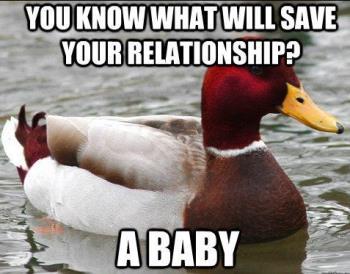
Malicious Advice Mallard is a derivative, and understanding it means starting with the original. Actual Advice Mallard was submitted to /r/AdviceAnimals on June 19, 2011 by a Redditor posting as Releasethedreadknot. The image was a stock-looking photograph of a male mallard duck, set on the multicoloured radial background that advice-animal macros used as a house style, and the caption was a genuinely useful kitchen tip: push in the tabs on the sides of a foil box so the roll stops falling out. That was the whole premise. The duck gave real advice, and the subreddit rewarded it.
The evil twin arrived about eighteen months later. On December 2, 2012, Reddit user TEmpTom posted the first Malicious Advice Mallard to the same subreddit. The picture was not simply reused — the duck’s head was recoloured from green to red, a small edit that did an enormous amount of work, marking the character as the same bird gone wrong. The debut caption offered a plan for replacing a broken games console that amounted to consumer fraud, delivered in the same flat, helpful cadence the original used for foil boxes.
How fast it caught on
Advice animals in late 2012 lived on generator sites, and the format’s spread can be measured in caption counts. By December 3, 2012 — a single day after the first post — the Quickmeme page for Malicious Advice Mallard had passed 240 captions. That is the advice-animal boom working exactly as designed: a template needed no explanation, the generator required no skill, and a joke could be cloned by thousands of people within hours.
It is also why the format burned out quickly. Know Your Meme’s own entry for Malicious Advice Mallard was marked “deadpool” in July 2013, its rejected-and-archived status, with only a couple of images ever submitted to the gallery. The macro was popular for a season and then absorbed back into the general advice-animal sludge.
What the joke actually does
The humour is structural rather than verbal. Advice animals train you to expect a payoff in the bottom line, and each character carries a fixed personality that tells you what kind of payoff is coming — Good Guy Greg is generous, Scumbag Steve is a freeloader, Actual Advice Mallard is helpful. Malicious Advice Mallard’s contribution is a character whose entire personality is the helpful voice attached to the wrong intentions.
So the joke lands in the gap between tone and content. The advice is phrased as a life hack: confident, specific, actionable, formatted like something you would screenshot to remember later. It just happens to be petty, dishonest, or catastrophic. Nobody posting it expects the instructions to be followed; the appeal is watching the earnest tip-sharing register get hijacked.
Notable examples and relatives
Most captions fall into a few grooves: fake-frugality scams (the original console gag being the archetype), petty revenge dressed up as conflict resolution, and deliberately ruinous life advice presented with total sincerity. Posting the red duck and the green duck side by side became its own small format, since the visual difference is one hue.
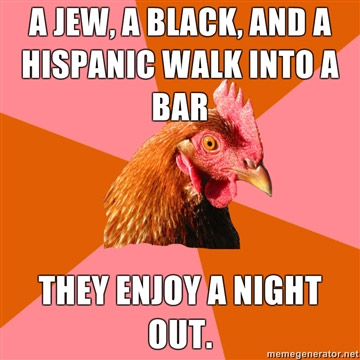
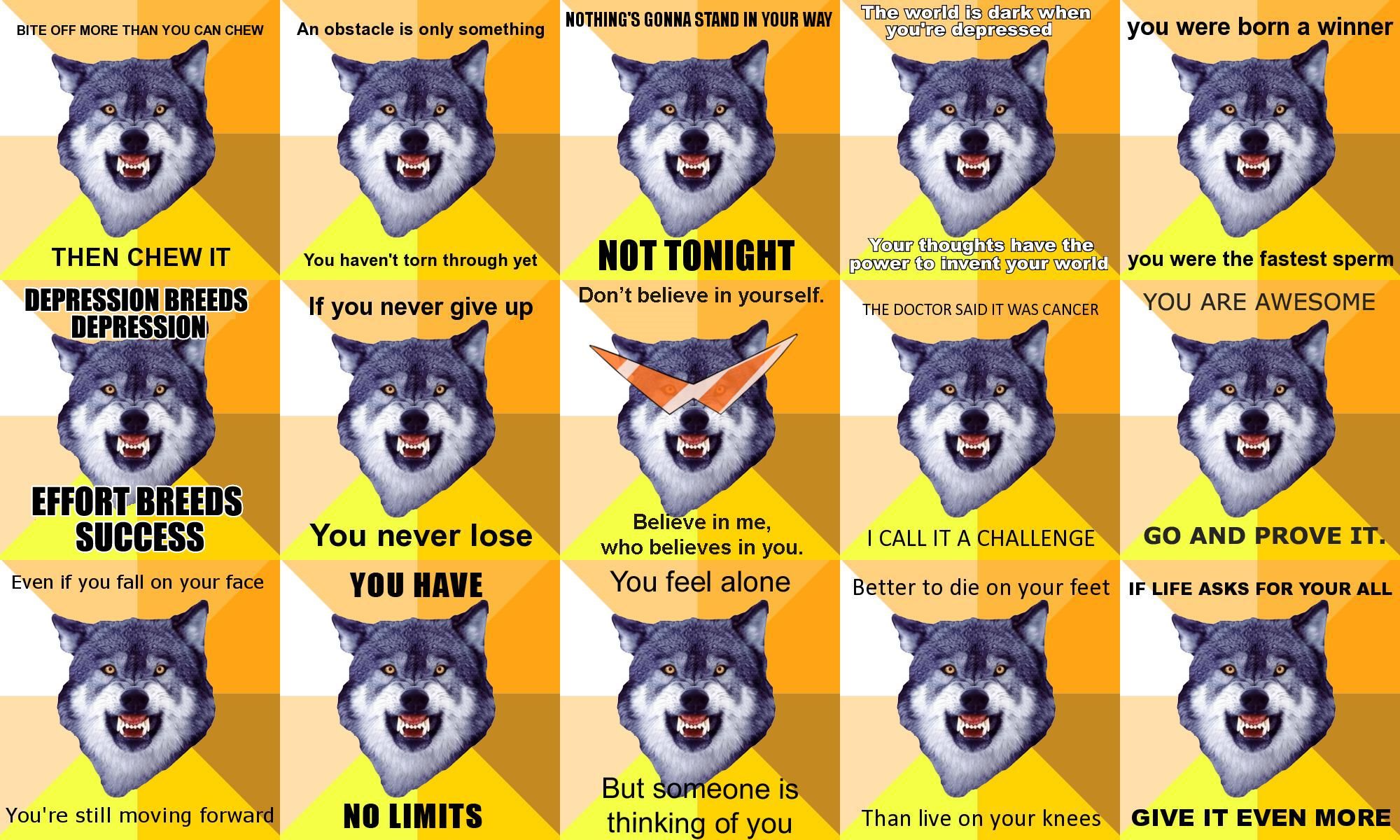
It belongs to a wider family of inversion characters from the same era — Insanity Wolf escalating Courage Wolf, Scumbag Steve shadowing Good Guy Greg, and Anti-Joke Chicken refusing the punchline altogether. All of them work the same way: the audience knows the character’s alignment before reading a word, and the caption only has to deliver on that promise.
Why it reads as a period piece
The Impact-font macro on a colourwheel background is now a dated object, and Malicious Advice Mallard is a minor entry even within that canon. What keeps it worth documenting is how neatly it demonstrates the mechanics of 2011-2013 meme culture: a template, a recolour, a character alignment, and a generator page that could accumulate hundreds of variations overnight.
Opens “Malicious Advice Mallard” in the generator, ready to caption.
Examples & gallery
Frequently asked
What is Malicious Advice Mallard?
It is an advice-animal image macro featuring a mallard duck that dispenses deliberately terrible advice — scams, petty revenge, and ruinous life tips delivered in the confident tone of a genuine life hack. It is the evil counterpart to Actual Advice Mallard, and the joke lives in the mismatch between the helpful format and the harmful content.
How is it different from Actual Advice Mallard?
Actual Advice Mallard gives real, usable tips; the malicious version gives advice you would regret following. There is also a visual difference: the malicious duck's head was photoshopped from green to red, so the two characters are distinguishable at a glance even before you read the caption. They are often posted side by side for the contrast.
Who created Malicious Advice Mallard and when?
Reddit user TEmpTom posted the first one to /r/AdviceAnimals on December 2, 2012. The parent meme, Actual Advice Mallard, had been submitted to the same subreddit on June 19, 2011 by a Redditor going by Releasethedreadknot, with a caption about keeping a foil roll from falling out of its box.
How popular did it get?
It spiked hard and faded fast. By December 3, 2012 — one day after the first post — the Quickmeme page for the character had already passed 240 captions, which was typical of how quickly generator-driven advice animals multiplied. Interest dropped off within months, and Know Your Meme moved its entry to deadpool status in July 2013.
Sources
Embed this meme
Paste this anywhere. It shows the card and credits the entry underneath.
Related memes


What links here
3 pages link to Malicious Advice Mallard.
- Afraid To Ask Andyrelated entry
- Anti-Joke Chickenrelated entry
- Actual Advice Mallardmentioned in
Discussion
Corrections and context welcome. Editors read this thread.
Sign in to join the discussion.
No comments yet.